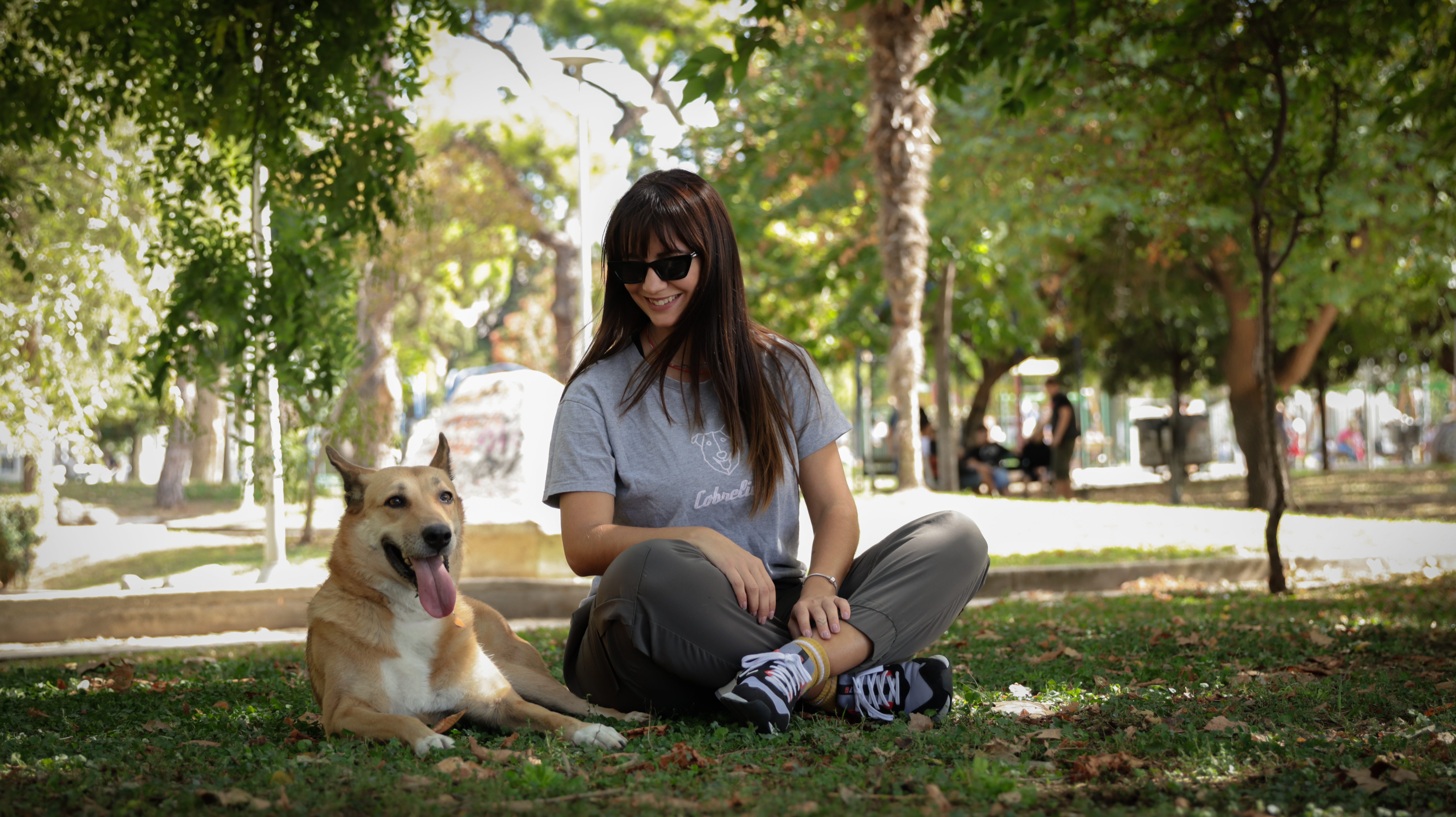
Who We Are
Professional dog trainers dedicated to creating harmonious relationships between people and their dogs
Who We Are
Professional dog trainers dedicated to creating harmonious relationships between people and their dogs
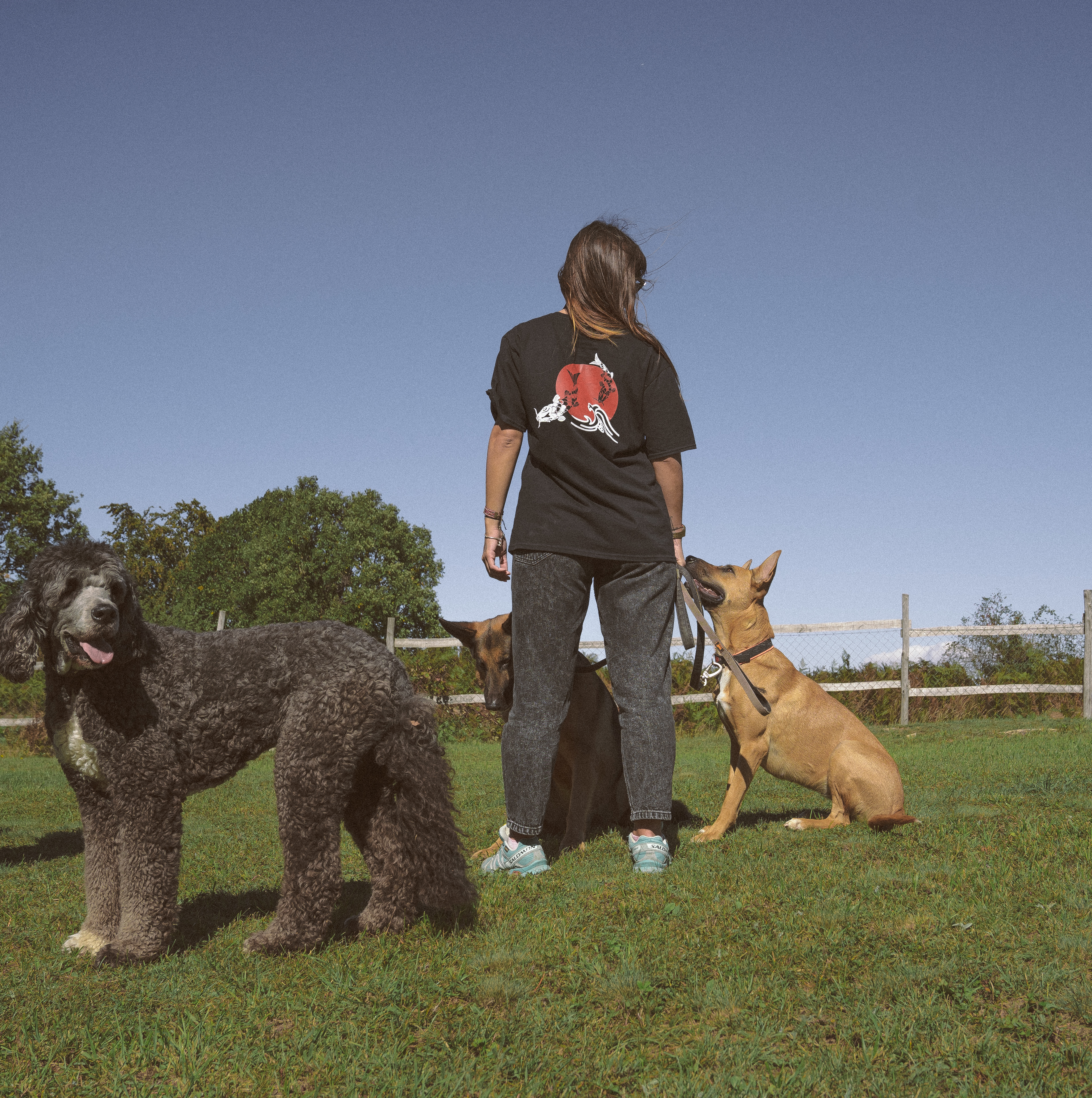
Our Philosophy
Building Strong Bonds
Our philosophy is to create well-balanced, happy dogs through evidence-based training methods that respect both dog and owner. We believe in the power of positive reinforcement and consistent training to build trust and understanding. Every dog is unique, and we tailor our approach to meet the individual needs of each furry friend and their family.
Dog training in Thessaloniki: how we work and what to expect
Our training philosophy keeps evolving through the methods, tools and exercises we choose and create. Every dog is different, but our foundation stays the same.
Here you'll get to know us through the way we train dogs. One of the most important things we look for is commitment, not only to your dog but to you as well.
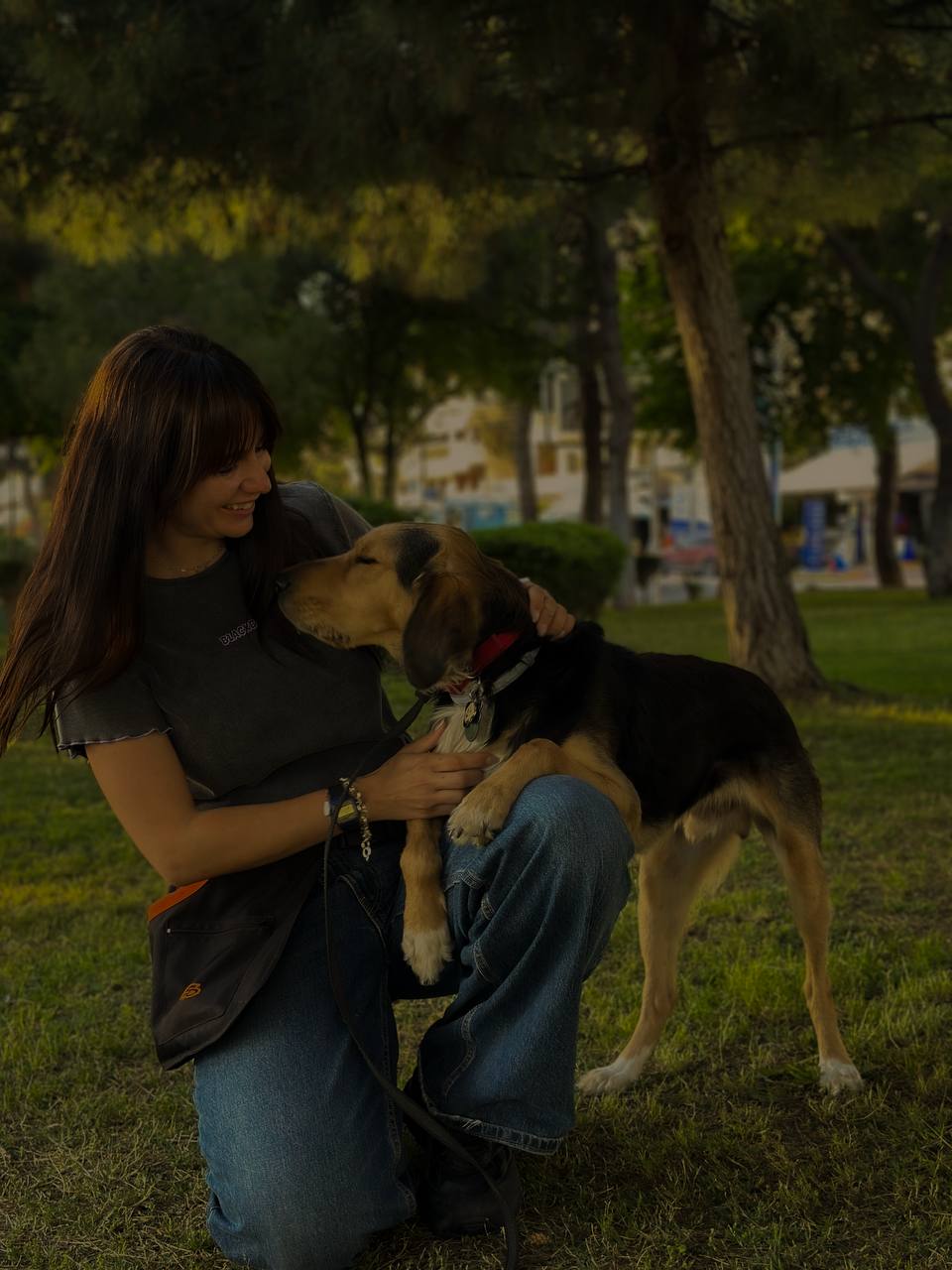
Training starts with the relationship
A dog doesn't learn well when it's scared, confused or has lost interest. That's why our first job isn't "sit" or "come". It's building communication by finding what motivates your dog, so it understands what we're asking, trusts its person and wants to work with them.
Good training isn't a series of tricks. It's a shared way of communicating between you and your dog that helps in every moment of daily life: on walks, at home, at the vet, and when meeting other dogs.
How dogs learn: the consequences of behaviour
Our work is based on operant conditioning. Put simply: a dog repeats behaviours that bring it something good and drops the ones that don't pay off. So when we want a behaviour, we need to be clear about exactly what we want and make sure it's worth it for the dog.
The foundation of training is reward: food, play, contact, or even the chance to do something it wants. The dog first learns what to do, not just what to avoid.
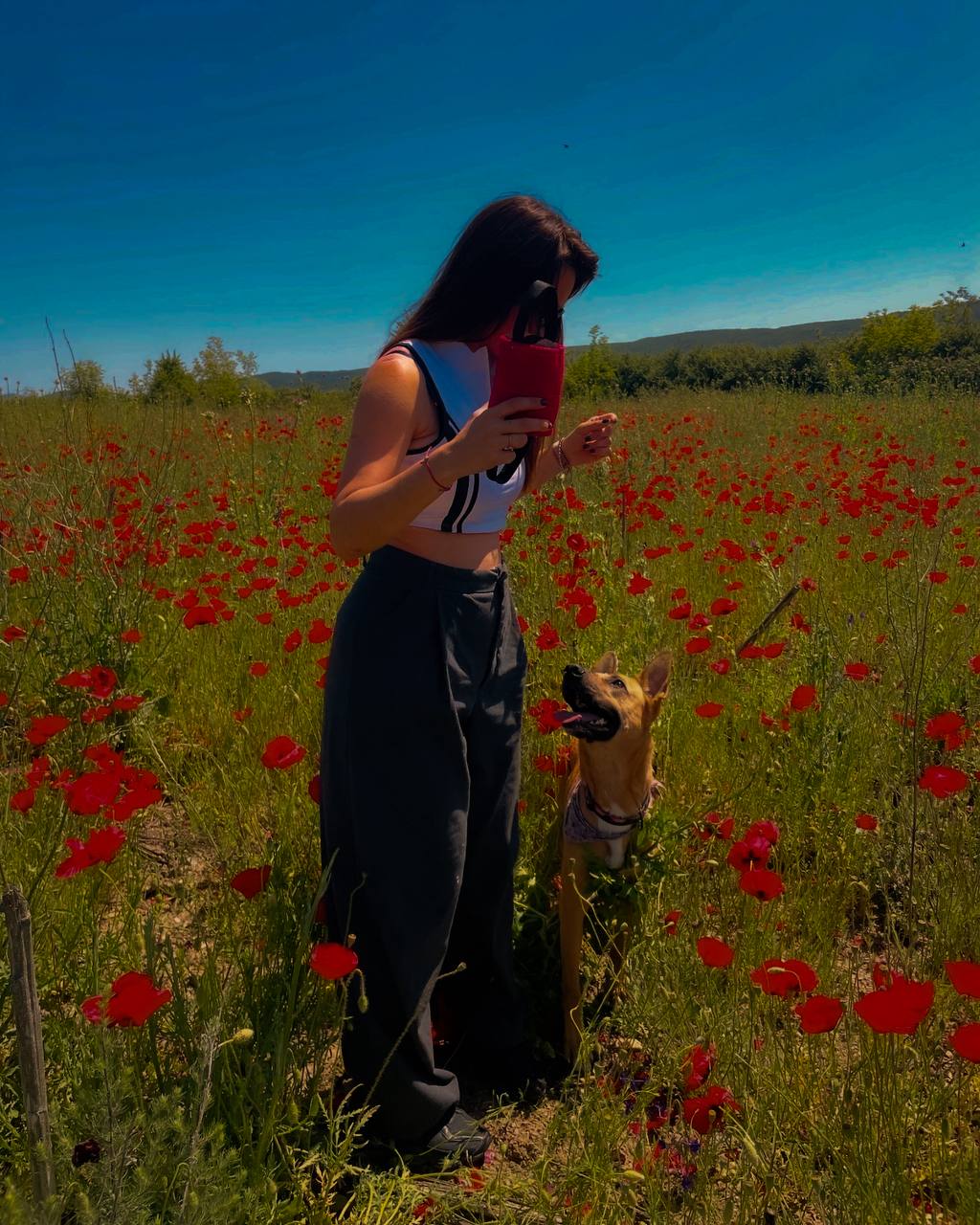
The signal that says "yes": markers
One of our most useful tools is the marker: a short, consistent signal (a word or a sound) that tells the dog the exact moment it did the right thing, like the familiar "good!" we all use.
Why does it help so much?
- The reward usually arrives a few seconds later. The marker "locks in" the exact moment, so the dog understands what is being rewarded.
- It gives the dog clear information without adding pressure or over-excitement.
- A marker is only valuable when it's reliable: if the trainer says it, a reward always follows. That consistency builds trust.
- Markers can mean different things, for example "right, come get your reward" or "keep going, you're doing it right". The trainer teaches the dog what each signal means, and the owner learns to use them precisely.
Engagement: attention first, then the cue
A cue means nothing if your dog isn't paying attention to you. That's why we put a lot of weight on engagement: your dog wanting to be with you and take an active part.
In practice, this means we:
- build the dog's interest and energy first,
- teach the owner when and how to reward,
- add distractions gradually, only when the dog is ready.
A dog that works with joy and focus learns faster and keeps what it has learned.
Small steps and clear criteria
Every exercise is broken into small pieces. Instead of asking for a "perfect" result the first time, we build the behaviour gradually and only raise the level when the dog succeeds with confidence. It's a mistake to rush a dog to succeed at something it hasn't been taught, or that we haven't set up the conditions for it to get right and learn. That's like tripping it up in the middle of learning.
- 1
Learning
We reinforce a behaviour very heavily at the start, so the idea takes hold in the dog's mind.
- 2
Fluency
The dog firmly remembers which exercise earned it a reward and offers it on its own.
- 3
Generalisation
We practise the exercise the dog knows well and enjoys in many different places.
This applies to everything: from a basic "sit" to walking without pulling or a recall with distractions. Once a behaviour is well taught, we gradually reduce how often we reward, so constant rewards aren't needed.
Emotion first, then behaviour
Many problems, such as fear, leash reactivity, anxiety or noise sensitivity, can't be solved with cues. If a dog is scared, telling it to "sit" doesn't change how it feels.
In these cases we work on the emotion first:
- gradual exposure to the trigger, at an intensity the dog can handle,
- pairing the trigger with something pleasant,
- teaching an alternative behaviour, so the dog has something else to do instead of fleeing or reacting.
Progress is measured in weeks or months, not a single session, and it is always adapted to the individual dog.
What the first assessment looks like
We don't start with a ready-made programme. At the first meeting we:
- Get to know the dog and its owner, and see how they communicate.
- Talk about history, daily routine and the problems you want to solve.
- Assess the dog's behaviour, confidence and motivation.
- Explain clearly what we recommend and how we'll work.
- If needed, recommend a vet check, because pain or illness can affect behaviour.
Training at your place or in a neutral setting
We can work at your place, where the problems actually happen, or in a neutral setting, depending on the dog and the goal. We serve Thessaloniki and its suburbs. The owner always takes an active part, because training works when it carries on into everyday life.
Frequently asked questions
Book an assessment
If you're looking for dog training in Thessaloniki with a clear method tailored to your dog, get in touch for a meet-and-assess appointment: 698 983 5114 or through our contact form.
Book an appointmentLearn more about dog training and dog sitting.
Our Values
The principles that guide every training session
Love & Respect
Every dog deserves to be treated with love, respect, and understanding. This principle is the foundation of all our training methods.
Expertise & Experience
With over 12 years of experience and continuous training, we bring professionalism and knowledge to every session.
Customized Solutions
Every dog and family is different. We create personalized programs that fit your unique needs and goals.
Support & Collaboration
We stand by you every step of the training journey, providing ongoing support and guidance.
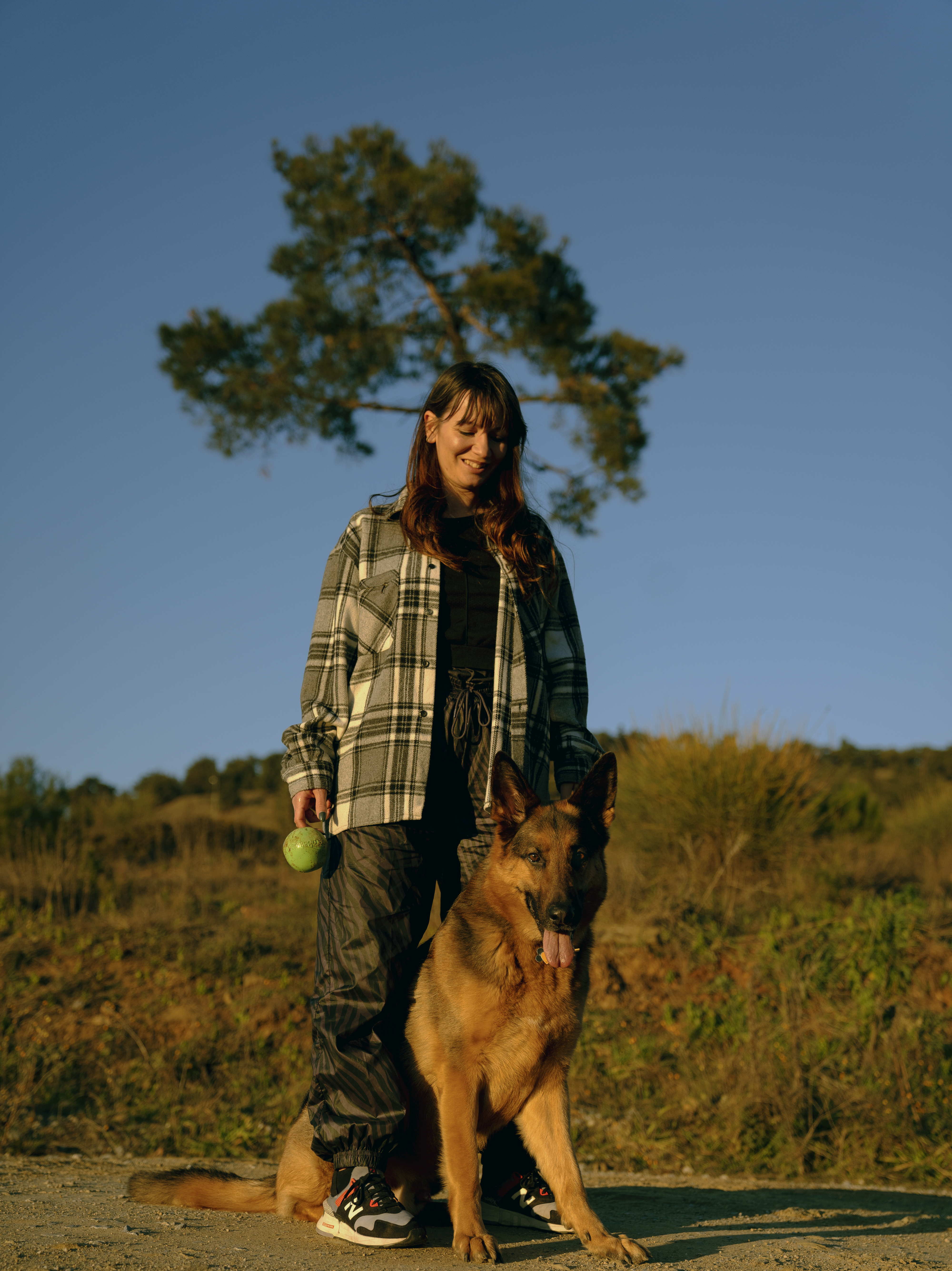
Founder – Cobrelius Dog Trainers
Virginia Tsigara
With years of experience in dog training and guide dog training, I am dedicated to creating harmonious relationships between people and their four-legged friends. My approach is based on scientific understanding of behavior and respect for every dog.
Member of Greek Guide Dogs Association
Member of A.P.D.T (Association of Professional Dog Trainers)
The Four-Legged Teachers
Meet our trained dogs who assist in training and socialization
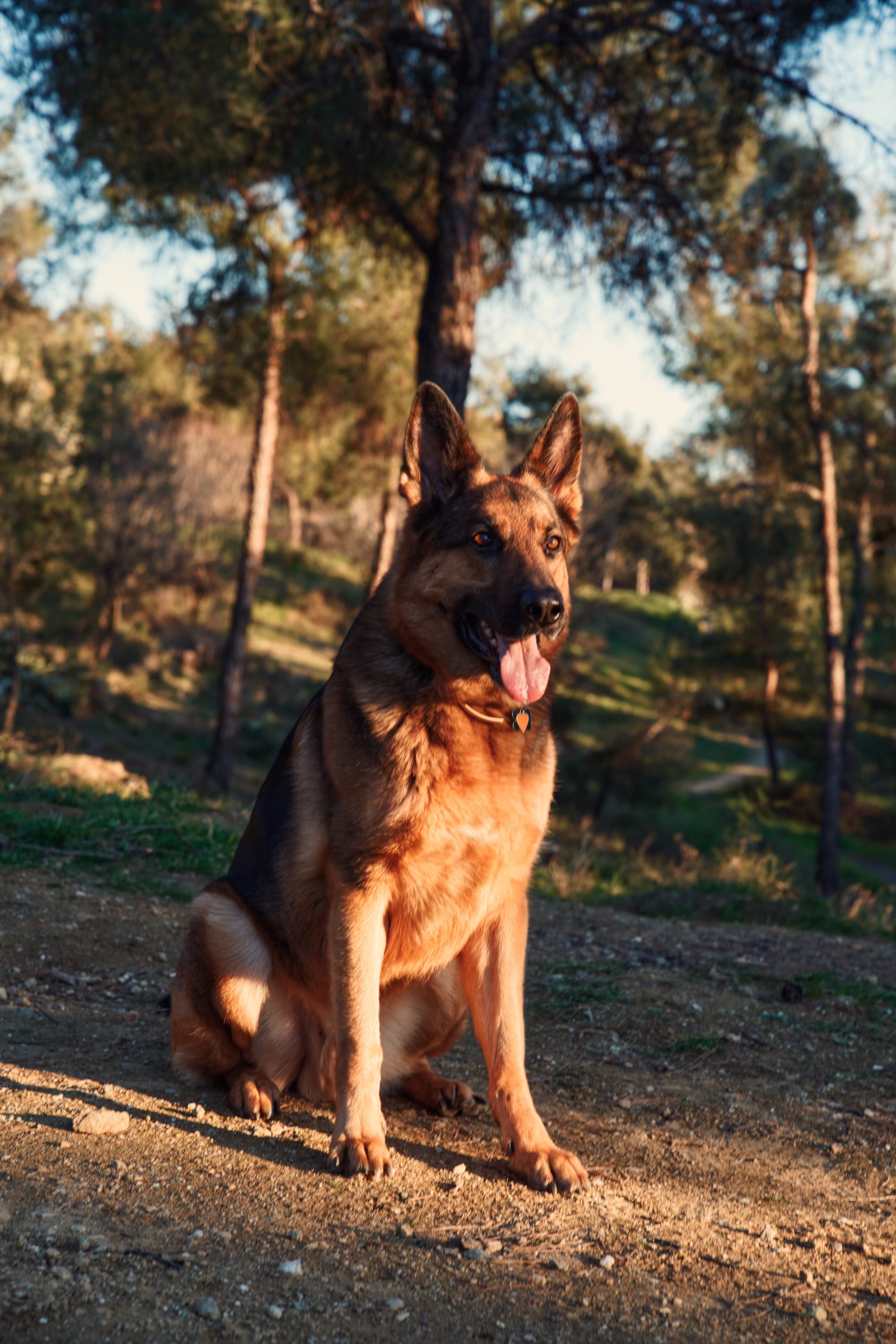
Moufasa
The Spiritual Leader
Moufasa is a highly experienced training dog with years of experience guiding other dogs. His calm demeanor and stability make him ideal for training dogs with behavioral issues.
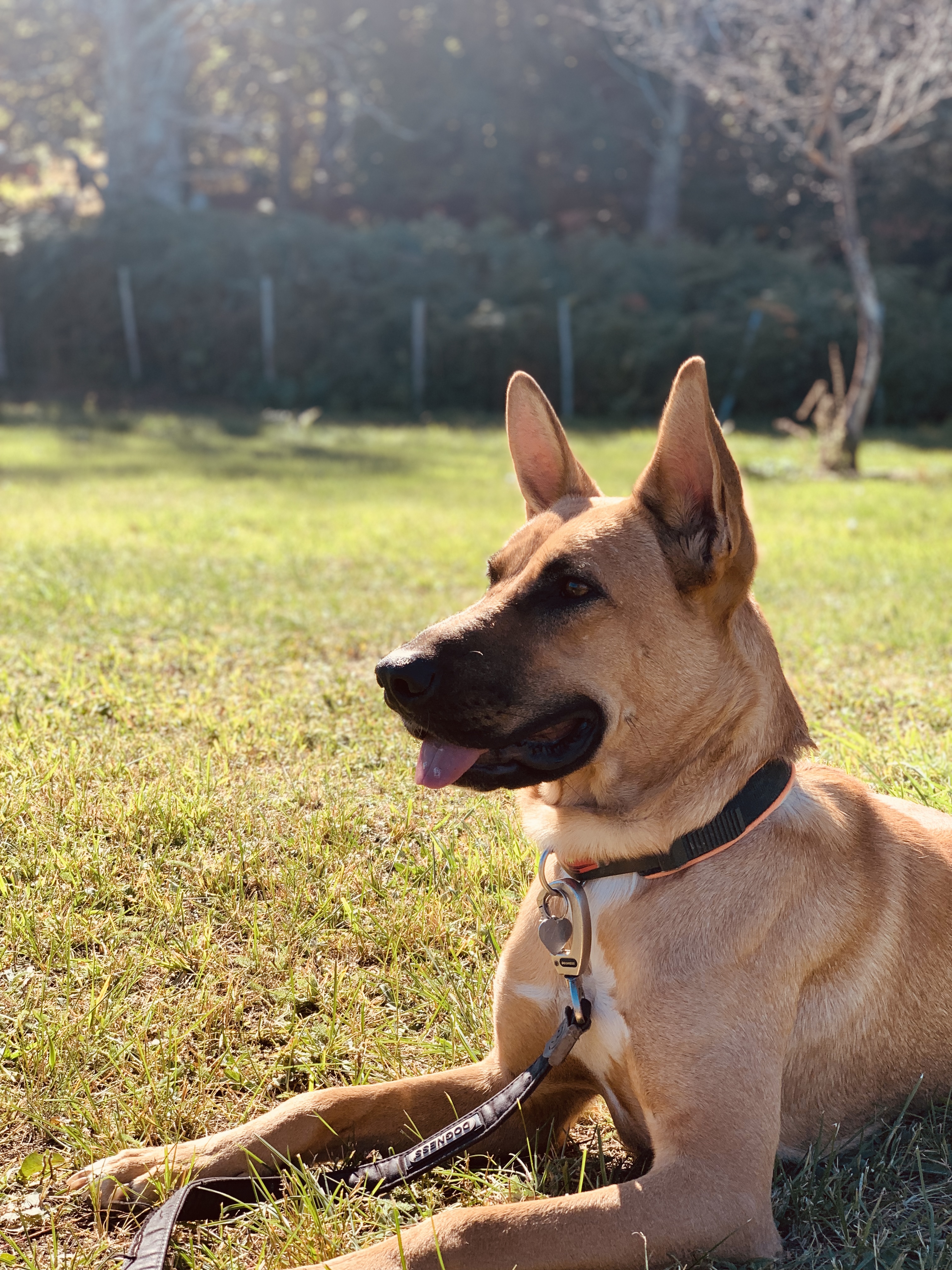
Kai
The Eternal Sunshine
Kai is full of energy and enthusiasm, perfect for socializing puppies and active dogs. Her friendly nature and playful spirit help dogs learn through fun.